
The global sports market is racing toward $826 billion by 2030, but success isn’t just about going global—it’s about becoming local. When 76% of sports fans prefer content in their native language and culturally contextualized narratives, football clubs face a critical choice: adapt locally or lose globally.
Football brand localisation represents far more than simple translation. It’s the strategic art of adapting a club’s global brand identity to resonate with specific local markets while maintaining overarching brand coherence. This approach differs fundamentally from internationalization, which emphasizes standardized global messaging. Instead, localisation focuses on embedding cultural values, local customs, language nuances, and consumer behaviors to create authentic connections with fans worldwide.
The stakes couldn’t be higher. Clubs that master this balance between global consistency and local relevance unlock new revenue streams, deepen fan loyalty, and insulate themselves from market saturation. From Nike’s region-specific campaigns to how premier league clubs navigate diverse markets, the most successful organizations understand that going global means thinking local.
Understanding Football Brand Localisation
Football brand localisation requires clubs to operate on multiple levels simultaneously. While maintaining their core brand identity and values, successful clubs adapt their marketing materials, communication strategies, and fan engagement approaches to match local cultural preferences and expectations.
The process involves thorough research into local customs, historical context, language nuances, and consumer behaviors. For example, when football clubs expand into markets like South Korea or Japan, they must understand not just the language but also the cultural significance of respect, community involvement, and long-term relationship building that characterizes these societies.
This strategic approach creates a strong presence in local markets without diluting the global brand. Companies like Adidas have demonstrated this balance effectively, maintaining their global athletic brand while creating localized campaigns that speak directly to regional audiences and their specific sporting cultures.
The effort required for effective localisation extends beyond marketing departments. It demands coordination across all customer-facing elements, from website design and social media content to merchandise offerings and partnership strategies. Success comes from understanding that each local market represents unique opportunities to create value for both fans and the organization.
Digital Communication Excellence
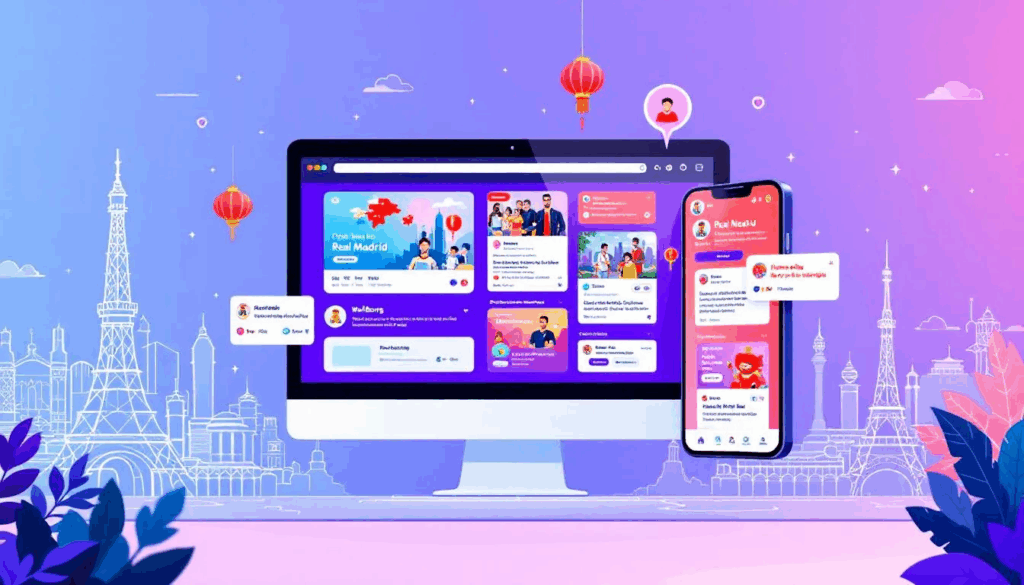
Modern football brand localisation begins with digital platforms that serve as the primary touchpoint between clubs and their global audience. Real Madrid exemplifies this approach with official websites operating in 8 different languages, each optimized with localized SEO strategies and culturally relevant content.
Social media localization goes far beyond translation. Successful clubs like Monaco (over 2.2 million followers) and Wolfsburg (over 290k followers) have implemented Twitter strategies that integrate local dialect, humor, and cultural references. River Plate’s Chinese New Year campaign featuring local players demonstrates how clubs can create content that feels authentically local rather than adapted from global templates.
The process of adapting digital content requires understanding local search behaviors, preferred social media platforms, and communication styles. In China, for instance, clubs must navigate different social media ecosystems and adapt their content strategy to platforms like Weibo rather than relying solely on Western social media networks.
Website localization involves more than language translation. Successful clubs adapt date formats, currency displays, payment methods, and even user interface design to match local preferences. This attention to detail creates a seamless user experience that feels native to each market rather than obviously foreign.
Search engine optimization for local markets requires understanding cultural keywords and search patterns. What sports fans search for in Brazil differs significantly from search behaviors in Germany or Japan, and successful localization strategies account for these differences in their content creation and distribution approaches.
Strategic Player Recruitment as Cultural Bridge-Building

Player recruitment represents one of the most powerful tools in football brand localisation. When clubs strategically sign athletes from target markets, enhancing their global team they create authentic cultural bridges that resonate far beyond the football pitch.
Eibar’s recruitment of Japanese players Takashi Inui and Yoshinori Muto significantly increased La Liga viewership in Japan, demonstrating how the right player signings can unlock entire markets. These signings created natural storylines and emotional connections that traditional marketing campaigns struggle to replicate.
The commercial impact extends across multiple revenue streams. Everton’s signing of Colombian star James Rodriguez reached over 400 million viewers in Latin American markets, directly boosting merchandise sales, increasing money from sponsorship appeal, and broadcast rights values. The player became a cultural ambassador, creating authentic connections with fans who saw themselves represented at the global level.
La Liga’s collaboration with Saudi Arabia to loan Arab players illustrates how leagues and clubs can systematically approach player recruitment as a localization strategy. These partnerships combine talent development with cultural marketing, creating sustainable pathways for market expansion while supporting local football development.
The success of this approach requires clubs to think beyond on-field performance. The most effective signings involve players who can serve as genuine cultural ambassadors, participating in local events, learning the language, and engaging authentically with their new communities. This level of cultural integration creates lasting bonds that persist beyond individual player careers.
Product and Experience Localization
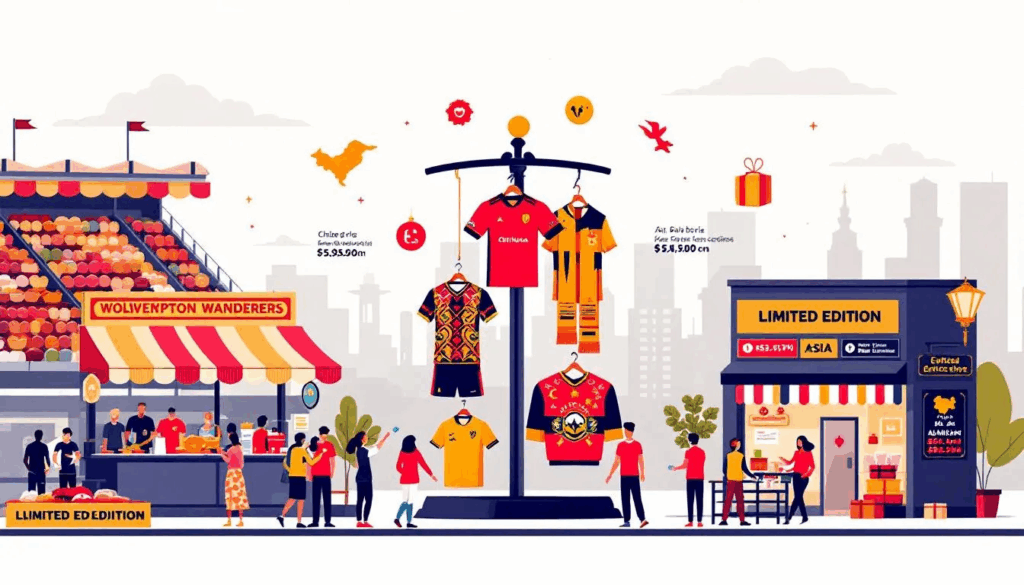
Merchandise and product localization creates tangible connections between global brands and local cultures. Wolverhampton Wanderers’ Portuguese-influenced third kit acknowledges the club’s strong Portuguese player presence and fan demographics, creating apparel that feels specifically designed for that community rather than adapted from a global template.
Limited-edition merchandise tied to local festivals, holidays, or cultural celebrations generates exclusivity while demonstrating cultural awareness. These products often become collectors’ items, creating additional revenue streams while strengthening emotional connections with local fan bases.
Stadium experiences require similar localization efforts. Food offerings, retail store designs, and even architectural elements can reflect local tastes and cultural sensibilities. When clubs tour internationally or establish permanent presences in new markets, these details significantly impact fan perception and engagement.
Pricing strategies must adapt to local economic conditions and purchasing power. What works in Western European markets may be completely inappropriate for emerging markets in Africa or Asia. Successful clubs develop tiered pricing approaches that ensure their products remain accessible while maintaining brand value.
The key lies in creating localized products that feel authentic rather than tokenistic. Fans can easily distinguish between genuine cultural appreciation and superficial marketing tactics. The most successful examples demonstrate deep understanding of local culture and genuine respect for regional traditions and values.
Partnership and Network Strategies
Strategic partnerships with local brands and institutions provide credibility and market access that clubs cannot achieve independently. Barcelona’s partnership with UNICEF demonstrates how global social responsibility initiatives can enhance local goodwill while supporting meaningful causes.
Premier league clubs’ collaborations with Asian sports betting companies featuring Mandarin branding illustrate how partnerships can bridge cultural and linguistic gaps. These relationships provide local credibility while giving clubs access to established distribution networks and customer relationships.
Multi-club ownership models like City Football Group and Red Bull create opportunities for shared localization strategies and resource optimization. These networks enable clubs to share market research, cultural insights, and best practices across multiple countries, maximizing the return on localization investments.
The most effective partnerships extend beyond commercial relationships to include cultural institutions, universities, community organizations, and government agencies. These connections embed clubs into local ecosystems in ways that purely commercial partnerships cannot achieve.
Partnership strategies must balance global brand consistency with local adaptation requirements. Successful networks maintain core brand values while allowing individual clubs flexibility to adapt their local market approaches based on regional needs and opportunities.
Events and Experiential Marketing
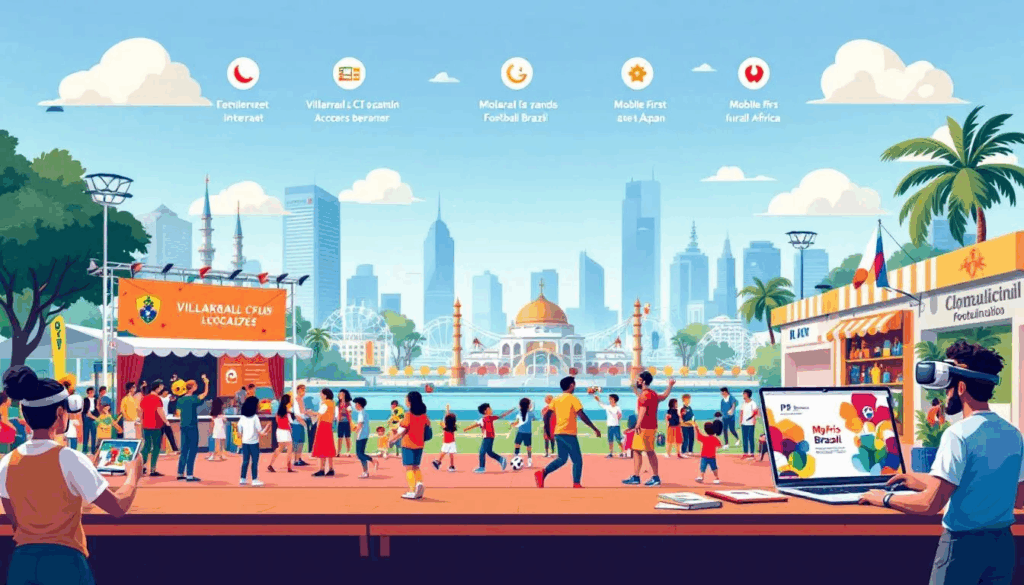
Physical events create immersive experiences that digital content cannot replicate. The Premier League Asian Trophy and Bundesliga Experience Brasil demonstrate how leagues can bring their brand experiences directly to target markets, creating memorable interactions with local fans.
Local football academies and youth development programs, such as Villarreal’s soccer school network across five countries, cultivate grassroots connections and build long-term fan loyalty. These programs create authentic community relationships while developing future talent pipelines.
PSG’s MyParis Brasil platform shows how clubs can create digital experiences specifically tailored to individual markets. By combining local cultural elements with club-specific content tailored to the target audience , these platforms create exclusive experiences that feel designed for specific audiences rather than adapted from global templates.
Virtual reality and digital experiences must adapt to local technological preferences and infrastructure capabilities. What works in technologically advanced markets may not translate directly to regions with different technological adoption patterns or infrastructure limitations.
The most successful experiential marketing combines football with local traditions and customs, creating hybrid experiences that feel both authentic to the local culture and true to the club’s global brand identity.
Measuring Success and Return on Investment
Effective measurement requires multi-dimensional approaches that capture both quantitative metrics and qualitative brand impact. Fan engagement analytics across social media platforms, merchandise sales data, and broadcast viewership statistics provide concrete evidence of localization success.
Brand awareness surveys, local media penetration analysis, and digital sentiment monitoring reveal how localization efforts impact brand perception and emotional connection. These qualitative measures often predict long-term success better than short-term revenue metrics.
Commercial metrics include sponsorship deal values, localized product sales, and revenue growth from target markets. However, the most valuable measurement approach combines these financial indicators with long-term brand equity assessments and fan loyalty indices.
Cost-benefit analyses must account for both upfront investment requirements and long-term strategic positioning benefits. Successful localization creates sustainable competitive advantages that compound over time, making initial investment recovery just one component of overall value creation.
The most sophisticated measurement approaches use predictive analytics to identify which localization investments are likely to generate the highest returns, enabling clubs to optimize their resource allocation across multiple markets and initiatives.
Future Trends and Innovation
Technology integration represents the next frontier in football brand localisation. AI-powered content personalization enables clubs to create individualized experiences that adapt to both local cultural preferences and personal fan behaviors, creating unprecedented levels of engagement. Emerging markets in Africa and Asia-Pacific offer significant growth opportunities, but success requires understanding demographic shifts, economic development patterns, and evolving cultural values. Gen Z audiences in these markets often have different expectations and communication preferences compared to previous generations.
Sustainability and social responsibility increasingly serve as differentiators in local markets. Clubs that can authentically integrate environmental and social causes into their localization strategies often achieve stronger emotional connections and longer-term loyalty. Blockchain technology and NFTs create opportunities for hyper-localized fan communities with exclusive content and engagement opportunities. These technologies enable clubs to create unique digital experiences that combine global reach with local exclusivity.
The most successful future approaches will likely combine multiple technologies and strategies, creating integrated experiences that feel simultaneously global and local, traditional and innovative, accessible and exclusive.
Challenges and Risk Management
Political and geopolitical tensions can derail even well-planned localization strategies. Clubs must navigate complex international relationships while maintaining brand integrity and fan loyalty across multiple markets with potentially conflicting interests. Cultural sensitivity requires ongoing education and local expertise. What seems appropriate in one culture may be offensive in another, and the global nature of social media means that local missteps can quickly become international reputation crises.
Competition from local clubs and emerging domestic leagues presents ongoing challenges. Successful localization strategies must account for existing loyalties and cultural preferences, especially those of local competitors. while offering compelling reasons for fans to embrace international clubs. Budget allocation between global consistency and local adaptation requires careful balance. Smaller clubs face particular challenges in competing with global giants while managing limited resources across multiple market entry and development initiatives.
The most effective risk management approaches involve local partnerships, cultural advisors, and gradual market entry strategies that allow for learning and adaptation before major resource commitments.
Key Takeaways
Football brand localisation has evolved from nice-to-have marketing tactics to essential strategies for sustainable growth in the global sports market. The clubs achieving the greatest success understand that localization requires authentic cultural engagement rather than superficial adaptation, steering the course toward sustainable growth . The most effective approaches combine multiple strategies simultaneously: digital platform localization, strategic player recruitment, product adaptation, partnership development, and experiential marketing. Success comes from integration across all touchpoints rather than isolated tactical implementations.
Measurement and optimization remain critical for long-term success. Clubs must balance short-term revenue generation with long-term brand equity building, using sophisticated analytics to guide investment decisions and strategy refinements.The future belongs to organizations that can authentically balance global scale with local relevance, creating experiences that feel both internationally prestigious and locally meaningful. As competition intensifies and fan expectations evolve, the clubs mastering this balance will capture the greatest share of the expanding global sports market.
Football brand localisation isn’t optional—it’s essential for clubs serious about global growth while building authentic local connections. The question isn’t whether to localize, but how quickly and effectively clubs can adapt their strategies to win hearts in local markets around the world.