
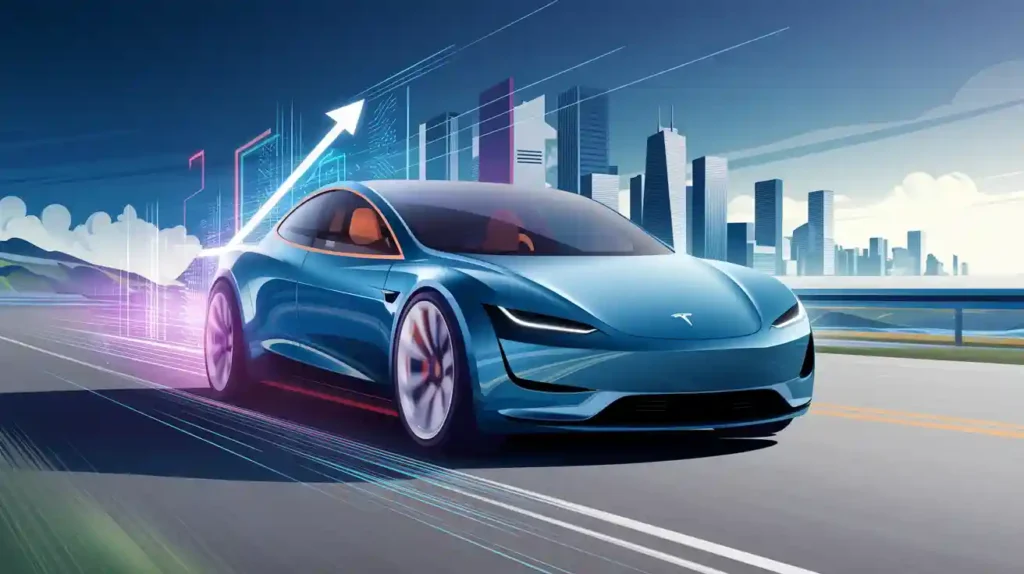
Tesla has fundamentally transformed perceptions within the automotive industry through its pioneering brand strategy, which focuses on electric vehicles and challenges conventional norms. By prioritizing cutting-edge technology and eco-friendly innovation, Tesla has not only redefined car design and marketing but also created a direct connection with consumers.
This approach integrates advanced technology with sustainable objectives, producing clean electric power solutions that conserve energy and promote a healthier planet. Tesla’s commitment to delivering an exceptional customer experience and sustainable innovation has inspired a global shift towards greener living.
The company’s success in the automotive industry underscores how ambitious goals can drive substantial change, as evidenced by the increasing popularity of electric cars worldwide. Tesla’s marketing, characterized by its unique marketing mix and innovative strategies, continues to set the benchmark for innovation, positioning the company as a leader in the electric vehicle market.
Introduction to Electric Vehicles
Electric vehicles (EVs) have revolutionized the automotive industry, offering a sustainable alternative to traditional gasoline-powered cars. As a pioneer in the EV market, Tesla has played a significant role in popularizing electric vehicles and making them more accessible to the masses. With its focus on innovation, sustainability, and customer experience, Tesla has established itself as a leader in the electric vehicle market.
The company’s commitment to electric vehicles has not only helped reduce carbon emissions but also paved the way for a cleaner and more sustainable future. Tesla’s electric vehicles are designed to be more than just cars; they are a statement of the company’s mission to accelerate the world’s transition to sustainable energy.
By integrating cutting-edge technology with eco-friendly innovation and energy storage systems , Tesla has set new standards in the automotive industry. The company’s electric vehicles are not only efficient and environmentally friendly but also offer a superior driving experience, making them a popular choice among consumers who prioritize sustainability and advanced technology.
Key Takeaways
Tesla changed car buying by selling straight to customers. This makes it easy and clear for buyers.
The company uses word-of-mouth and social media, not regular ads. This saves money to create new ideas and effectively utilizes various Tesla marketing channels to engage customers.
Tesla’s focus on new technology and being eco-friendly draws green-minded buyers. It also contributes to building brand loyalty by creating a strong emotional connection with the brand.
Model 3 pre-orders brought excitement and high demand. This showed how involving customers early works well.
Elon Musk talks directly to people, improving Tesla’s image. This makes the brand fun and easy to connect with.
Changing How Cars Are Marketed

Tesla has revolutionized the automotive landscape by transforming traditional car sales and marketing strategies, establishing a new paradigm that has reshaped consumer perceptions of the electric vehicle market. By eschewing conventional dealership models, Tesla has adopted a direct-to-consumer approach, allowing customers to purchase vehicles online or in their showrooms, thereby streamlining the buying process and enhancing transparency.
Tesla’s marketing campaigns focus on sustainable innovation and customer-centric approaches. This strategy not only ensures consistent pricing but also fosters trust, thereby strengthening Tesla’s brand identity. Rather than relying on traditional advertising, Tesla leverages word-of-mouth and social media platforms to generate buzz, saving costs that are reinvested into research and innovation. This approach aligns with Tesla’s commitment to sustainable energy and appeals to environmentally conscious consumers.
The focus on cutting-edge technology, exemplified by features such as autopilot and regular software updates, positions Tesla as a leader in the electric vehicle market, showcasing the potential of electric cars. The success of the Model 3, driven by early customer engagement through pre-orders, underscores the efficacy of the Tesla marketing strategy.
This innovative approach, coupled with a strong brand essence centered on sustainability and technological advancement, has not only set a new benchmark for the automotive industry but also established Tesla as a symbol of progress and a sustainable future.
Direct Sales Approach: Redefining the Buying Experience
Tesla has revolutionized the automotive landscape by bypassing traditional franchised dealerships and adopting a direct-to-consumer approach. This innovative strategy allows customers to purchase Tesla vehicles online or in company-owned showrooms, streamlining the buying process and enhancing transparency.
By maintaining consistent pricing and directly engaging with consumers, Tesla fosters trust and strengthens its brand identity. This approach not only ensures a seamless customer experience but also aligns with Tesla’s commitment to innovation and sustainability, appealing to environmentally conscious consumers.
Innovative Marketing: Beyond Traditional Advertising
Tesla’s marketing strategy is as groundbreaking as its vehicles. Eschewing conventional advertising channels such as television and billboards, Tesla relies on word-of-mouth, social media platforms, and a multifaceted digital marketing approach to generate buzz. By integrating digital marketing techniques, such as social media engagement and SEO, Tesla enhances brand awareness and engages customers effectively.
This cost-effective strategy allows the company to reinvest savings into research and development, further advancing their cutting-edge technology. The focus on eco-friendly innovation and sustainable energy solutions resonates with a growing demographic of consumers who prioritize environmental responsibility, thereby building a loyal customer base.
Technological Leadership and Sustainability
At the core of Tesla’s brand strategy is its unwavering focus on technological advancement and sustainability. Advancements in battery technology contribute significantly to Tesla’s leadership in the electric vehicle market, showcasing their commitment to research and development in this critical area.
Features like autopilot and regular software updates highlight Tesla’s cutting-edge automotive technology, enhancing vehicle performance and showcasing the potential of electric vehicles.
The company’s dedication to producing zero-emission cars and investing in renewable energy solutions underscores its mission to create a sustainable future. This combination of innovation and environmental consciousness not only distinguishes Tesla from traditional auto manufacturers but also establishes it as a symbol of progress and hope for a greener planet.
Market Analysis and Research
The electric vehicle market has experienced significant growth in recent years, driven by increasing demand for sustainable and environmentally friendly transportation options. According to market research, the global electric vehicle market is expected to continue growing, with Tesla being one of the key players in the industry.
Chinese electric vehicle brands have also made significant inroads and are shaping the global market landscape, as detailed in this article on pioneers from the East. The company’s market analysis and research have helped it identify trends and opportunities in the market, enabling it to develop effective marketing strategies and stay ahead of the competition.
Tesla’s marketing strategy is centered around its target audience, which includes environmentally conscious consumers who value innovation and sustainability. By understanding the needs and preferences of this demographic, Tesla has been able to tailor its products and marketing efforts to resonate with its audience. This targeted approach has not only helped Tesla build a loyal customer base but also positioned the company as a leader in the electric vehicle market.
Tesla Model 3: A Case Study in Branding Success
Pioneering Pre-Order Strategy
Tesla’s innovative approach to launching the Model 3 exemplified its ability to generate excitement and commitment from consumers well before the vehicle hit the market. By allowing potential buyers to reserve their Tesla vehicle with a modest deposit, Tesla not only secured substantial pre-orders but also cultivated a sense of inclusion among its customers.
This strategy transcended traditional car sales, inviting consumers to become part of Tesla’s broader mission to revolutionize transportation. The pre-order system provided Tesla with valuable insights into production needs and consumer demand, ultimately showcasing the effectiveness of strategic planning in creating significant market anticipation.
Organic Buzz Creation
In an industry where traditional advertising reigns supreme, Tesla’s decision to forego conventional marketing channels for the Model 3 was a bold move that paid dividends. Instead of relying on television commercials or print ads, Tesla harnessed the power of its design and technological features to spark organic conversations.
Social media platforms became the vehicle for this buzz, as enthusiasts and early adopters shared their excitement online. This word-of-mouth marketing approach proved to be Tesla’s secret weapon, as satisfied customers eagerly shared their experiences, drawing in new audiences and solidifying Tesla’s brand reputation as a leader in electric vehicle innovation.
Lessons in Branding Success
The launch of the Model 3 offered several key lessons in effective branding and consumer engagement. First, it underscored that a compelling product and a clear mission can build a strong brand without the need for extravagant advertising. By involving customers early in the process, Tesla fostered a sense of loyalty and connection to its vision of sustainability and innovation.
This alignment with consumer values transformed Tesla from a mere car manufacturer into a symbol of progress and hope for a sustainable future. This strong brand image, supported by effective digital media use and word-of-mouth marketing, has been crucial in building a loyal customer base and fostering a community of brand advocates.
The Model 3’s success illustrated how strategic brand positioning and a commitment to core values can redefine consumer perceptions and set new standards in the automotive industry.
Customer Loyalty and Community Building
Purpose-Driven Branding
Tesla’s brand strategy is intricately tied to its mission of accelerating the world’s transition to sustainable energy. By prioritizing innovation and environmental responsibility, Tesla has positioned itself as more than just a car company; it is a catalyst for change. This company’s mission resonates deeply with environmentally conscious consumers, creating a powerful connection between the brand and its audience.
When individuals purchase a Tesla, they are not merely buying a vehicle; they are investing in a vision of a cleaner, greener future. This alignment of values fosters trust and transforms purchasers into brand advocates who are committed to Tesla’s larger purpose.
Cultivating Customer Loyalty
The seamless customer experience Tesla offers is a cornerstone of its strategy to build loyalty. From the initial interaction on their website to the delivery of the vehicle, Tesla ensures that every touchpoint is streamlined and customer-focused. The direct sales model allows Tesla to maintain control over the entire purchasing process, enhancing customer satisfaction.
Tesla’s service centers play a crucial role in this model by not only providing maintenance and repairs but also serving as integrated sales locations. This dual-functionality supports Tesla’s direct sales model and enhances customer relationships by ensuring a seamless experience in both purchasing and servicing vehicles.
Additionally, Tesla’s commitment to continuous improvement through regular software updates demonstrates a dedication to quality that keeps customers engaged. This ongoing relationship cultivates a sense of loyalty, turning first-time buyers into lifelong enthusiasts.
Organic Growth Through Community Engagement
Tesla’s marketing approach leverages the power of community and word-of-mouth to expand its reach. Tesla utilizes a variety of strategies to enhance brand awareness and customer engagement, such as leveraging social media, direct customer sales, and referral programs. Loyal customers naturally become brand ambassadors, sharing their positive experiences and stories with others, which amplifies Tesla’s message organically.
The brand further strengthens these community ties through events such as meetups and factory tours, fostering a sense of belonging among Tesla owners. This vibrant community not only enhances brand visibility but also deepens customer engagement without relying on traditional advertising channels. By nurturing this sense of community, Tesla continues to excite and involve its supporters, ensuring sustained brand growth.
Social Media and Earned Media in Tesla's Strategy

Elon Musk: The Face of Tesla's Innovation
Elon Musk plays a pivotal role in shaping Tesla’s brand image through his direct communication style . As the CEO, he communicates directly with millions through X (formerly Twitter), providing updates on Tesla’s groundbreaking technology, new product launches, and personal insights.
Tesla believes in investing directly in product quality and customer satisfaction rather than traditional marketing expenditures. This perspective, championed by Musk, emphasizes Tesla’s commitment to technology and innovation, which drives its strong market presence and effectively engages customers.
This transparent communication style not only fosters a sense of connection and excitement among followers but also positions Musk as the embodiment of Tesla’s innovative spirit. His announcements often generate significant media buzz and online trends, offering Tesla a wealth of free publicity and enhancing its brand presence.
Harnessing the Power of Social Media
Tesla’s marketing strategy bypasses traditional advertising avenues, opting instead for the dynamic reach of social media platforms like Instagram, X, and YouTube. These tesla marketing channels showcase Tesla’s vehicles and innovative features, capturing the interest of a wide audience.
By engaging directly with consumers through these digital platforms, Tesla builds trust and maintains interest, encouraging users to comment, ask questions, and share their personal Tesla experiences. This interactive approach not only promotes the brand but also cultivates a sense of community and belonging among Tesla enthusiasts.
Leveraging Earned Media and Influencer Influence
Tesla benefits significantly from earned media, receiving extensive coverage from news outlets, blogs, and influencers who frequently discuss the company’s achievements. Positive reviews and viral content enhance consumer trust, brand credibility, and brand exposure. Influencers, particularly those passionate about technology and automotive innovation, play a crucial role in spreading the word about Tesla.
Their genuine experiences resonate with audiences, offering an authentic alternative to paid advertising. Through strategic use of earned media and influencer partnerships, Tesla effectively expands its reach and strengthens its brand identity in the electric vehicle market.
Competitive Strategy and Advantage
Tesla’s competitive strategy is focused on differentiating itself from other automakers and establishing a strong brand identity. The company’s commitment to electric vehicles, advanced technology, and sustainable energy solutions has helped it gain a competitive advantage in the market. Tesla’s competitive strategy is centered around its unique selling proposition (USP), which includes its focus on sustainability, innovation, and customer experience.
Tesla’s USP has helped it attract a loyal customer base and establish a strong brand reputation. The company’s competitive advantage is also driven by its ability to innovate and stay ahead of the curve. Tesla’s advanced autonomous driving capabilities and over-the-air software updates are key differentiators that set it apart from traditional automakers. These features not only enhance the driving experience but also demonstrate Tesla’s commitment to continuous improvement and technological advancement.
Product Innovation and Development
Tesla’s product innovation and development are driven by its focus on sustainability and advanced technology. The company’s product lineup includes a range of electric vehicles, from the Model S and Model X to the more affordable Model 3. Tesla’s products are designed to be sustainable, efficient, and environmentally friendly, with a focus on reducing carbon emissions and promoting clean energy.
The company’s product development process is centered around its customers, with a focus on creating a personalized and seamless customer experience. Tesla’s electric vehicles feature cutting-edge autonomous driving capabilities and over-the-air software updates, ensuring that customers always have access to the latest technology. This commitment to innovation and customer satisfaction has helped Tesla build a strong brand reputation and a loyal customer base.
Business Model and Operations
Tesla’s business model is centered around its direct-to-consumer sales approach, which eliminates the need for intermediaries and enables the company to maintain control over the customer experience. The company’s operations are focused on creating a seamless and personalized customer experience, with a focus on sustainability and environmental responsibility.
Tesla’s business model is also driven by its commitment to renewable energy solutions, with the company offering a range of energy storage products and solar panels to its customers. The company’s operations are designed to be efficient and cost-effective, with a focus on reducing waste and promoting sustainability.
Tesla’s business model has been successful in creating a loyal customer base and establishing a strong brand reputation, with the company being recognized as a leader in the electric vehicle market.
The Future of Tesla Brand Strategy
Expanding Global Reach and Model Diversity
Tesla’s strategic vision involves broadening its global footprint and diversifying its model lineup to cater to a wider range of consumer preferences. Tesla expanded its mission from solely creating electric vehicles to also becoming a significant player in the renewable energy sector.
This includes the production of solar chargers and the introduction of solar neighborhoods, showcasing their commitment to a sustainable community. With existing models like the Model S and the forthcoming Cybertruck, Tesla is set to introduce new vehicles that accommodate various needs and price points.
This expansion not only enhances access to Tesla’s cutting-edge technology but also positions the brand to capture a larger share of the electric vehicle market. By establishing production facilities in strategic international locations, Tesla aims to reduce costs and streamline distribution, making its vehicles more accessible to a global audience.
Commitment to Sustainability
Central to Tesla’s strong brand identity is its unwavering commitment to sustainability and environmental stewardship. The company is dedicated to producing electric vehicles that significantly reduce emissions and promote the use of clean energy. Beyond automotive innovation, Tesla’s ventures into solar panels and home energy storage solutions exemplify its holistic approach to renewable energy sources.
This commitment resonates deeply with environmentally conscious consumers, reinforcing Tesla’s brand identity as a leader in sustainable innovation and fostering a sense of participation among its customers in the pursuit of a greener future.
Strengthening Customer Relationships
Tesla’s focus on fostering strong connections with its customers is a key element of its brand strategy. Tesla’s branding strategy is a multifaceted approach that positions the company as a premium and visionary player in the electric vehicle market. The company actively engages with its community through events and online platforms, creating a sense of belonging among Tesla owners.
By listening to customer feedback and continually updating vehicle software, Tesla demonstrates a commitment to enhancing the ownership experience. This customer-centric approach not only strengthens brand loyalty but also positions Tesla as a transformative force in the automotive industry, inspiring other companies to prioritize innovation and sustainability in their business models.
FAQ
What makes Tesla unique compared to regular car companies?
Tesla distinguishes itself in the electric vehicle market by prioritizing a direct-to-consumer sales model, bypassing traditional dealerships to sell directly to buyers. This approach, combined with a relentless focus on innovation and environmental sustainability, has positioned Tesla as a leader in the automotive industry.
As a technology company, Tesla incorporates advanced innovations into its product offerings, highlighting the importance of technological advancement in building consumer interest and brand loyalty. By advancing cutting-edge technology and eco-friendly initiatives, Tesla appeals to environmentally conscious consumers, enhancing its brand reputation and fostering a loyal customer base committed to a sustainable future.
Why doesn’t Tesla use normal ads?
Tesla cultivates its brand through organic growth, leveraging word-of-mouth and compelling narratives about its innovative electric vehicles and their environmental benefits. This strategic approach is a key component of the Tesla marketing strategy, which relies on minimal traditional advertising and the charismatic personality of its CEO, Elon Musk.
By focusing on innovative product quality and creating significant brand awareness, Tesla not only reduces advertising costs but also channels resources into enhancing vehicle technology, thereby fostering a dedicated and loyal customer base. By tapping into the enthusiasm of environmentally conscious consumers, Tesla effectively builds brand loyalty and positions itself as a leader in the electric vehicle market.
How does Tesla keep customers happy?
Tesla streamlines the purchasing process by offering a direct-to-consumer model, eliminating traditional dealership hurdles and enhancing customer convenience. Tesla’s sales centers serve a dual purpose of facilitating both sales and customer service, managed directly by Tesla, which eliminates the need for traditional franchises and performance-based incentives.
Frequent over-the-air updates continually enhance vehicle performance, demonstrating Tesla’s commitment to customer satisfaction and technological advancement. Through strategic events and active online engagement, Tesla fosters a robust connection with its clientele, reinforcing brand loyalty and ensuring a dynamic, responsive relationship with its community of electric vehicle enthusiasts.
Why do people who care about the Earth like Tesla?
Tesla’s electric vehicles stand out in the automotive industry for their zero-emission, clean energy approach, significantly contributing to environmental sustainability. By prioritizing eco-friendly innovation, Tesla appeals to consumers who are committed to making a positive impact on the planet and supporting the world’s transition towards sustainable energy solutions.
The company’s focus on green technology not only underscores its dedication to a sustainable future but also aligns with the values of environmentally conscious individuals who seek to drive change through their choices.
How does Elon Musk help Tesla succeed?
Elon Musk’s strategic engagement through online platforms plays a pivotal role in shaping Tesla’s image as a frontrunner in the electric vehicle sector. By consistently sharing updates and interacting with the community, Musk not only generates excitement but also fosters a sense of trust and transparency.
His visionary leadership and innovative ideas have positioned Tesla as a trailblazer in sustainable transportation, reinforcing its reputation as a leader in clean energy solutions.